It sounds like a paradox. Drink the world's most popular stimulant, then immediately go to sleep. But science says it's the ultimate energy hack.
If you execute it correctly, you'll feel more alert than if you just drank coffee or just napped. The secret lies in timing your brain chemistry perfectly.
The Science: Why It Works (The "Adenosine Hack")
Your brain runs on a fatigue molecule called adenosine. The longer you stay awake, the more adenosine builds up in your system. Think of it like trash piling up throughout the day.
Adenosine plugs into receptors in your brain, making you feel tired. When you sleep, your brain clears away this adenosine naturally. The receptors become empty and available again.
Caffeine works differently. It doesn't give you energy directly. Instead, it blocks those same receptors so adenosine can't attach. Research shows that caffeine reaches your central nervous system about 30 minutes after you drink it and blocks adenosine A1 and A2A receptors.
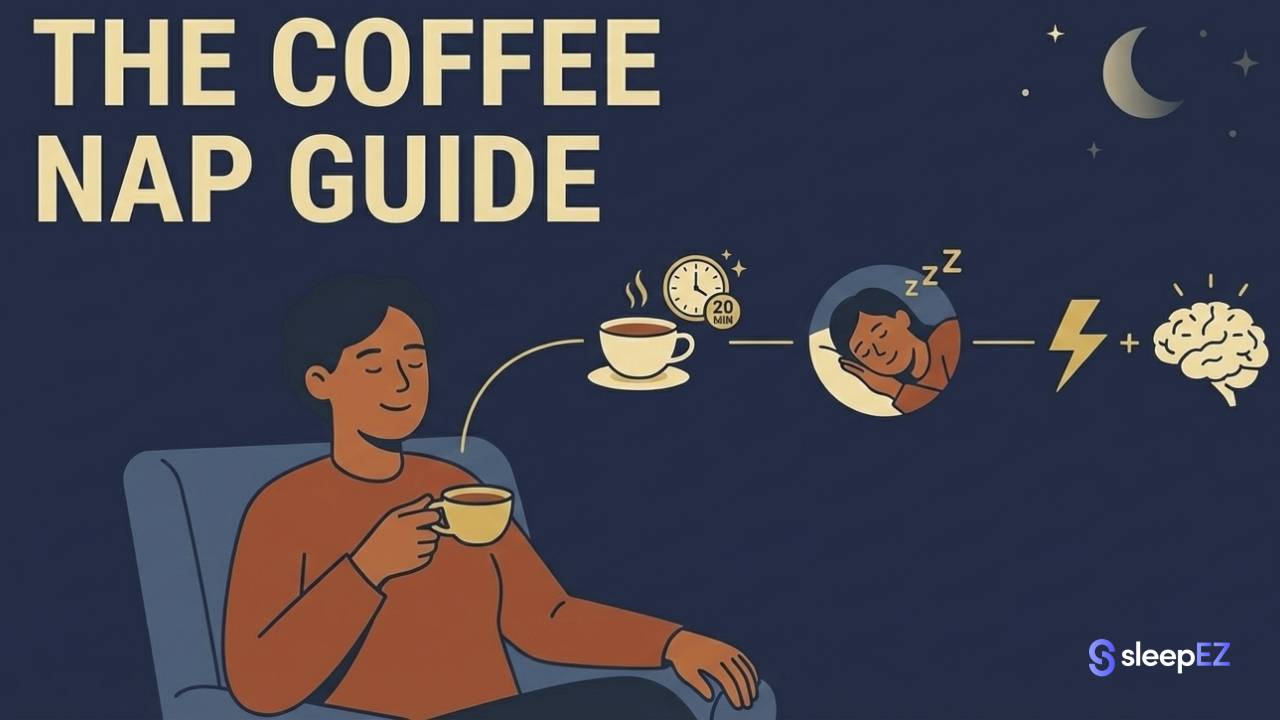
Here's where the magic happens. When you drink coffee and immediately nap, you're doing two things at once. Your nap clears the adenosine away. The caffeine travels through your bloodstream during those 20 minutes. When you wake up, the receptors are clean and the caffeine blocks them instantly.
It's like emptying a parking spot just as a new car arrives to claim it. The adenosine has been cleared, and caffeine takes its place before the adenosine can return.
How to Take a Coffee Nap (Step-by-Step)
Step 1: The Intake
Brew a cup of black coffee or a shot of espresso. Iced works better because you can drink it faster. Chug it in under two minutes. Don't sip it slowly for 30 minutes, or the caffeine will hit before you sleep.
Step 2: The Immediate Drop
Speed is everything here. You have about 20 minutes before the caffeine kicks in. You can't waste 15 of them tossing and turning in bed.
Put on a blackout sleep mask immediately. The sudden darkness triggers a Pavlovian sleep signal in your brain. This cuts your sleep latency (time to fall asleep) in half. You need every minute of that window for actual sleep, not for lying there counting sheep.
Step 3: The Sensory Lock (Optional)
If you're in a loud office or busy house, double down on sensory control. Use QuietBuds to physically block noise. Or turn on the Hush+ Sound Machine to create a protective audio bubble of pink noise around your desk. Even light sleep counts, but you need to actually fall asleep for the adenosine to clear.
Step 4: The Alarm
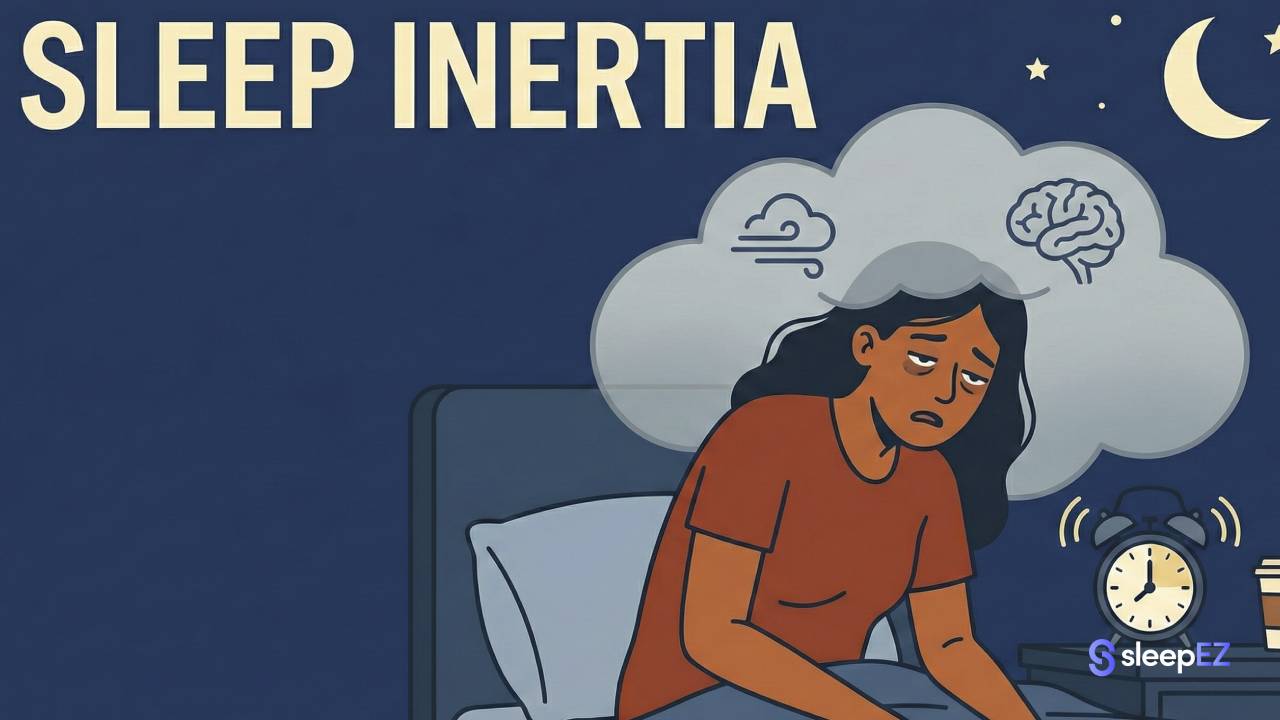
Set your alarm for exactly 20 minutes. Not 30, not 40. After 20 minutes, you risk entering deeper sleep stages. That causes sleep inertia, which makes you feel groggy and confused when you wake up.
Step 5: The Wake Up
When the alarm sounds, get up immediately. The caffeine is hitting your brain at this exact moment. You've cleared the adenosine and blocked the receptors. Your energy should spike within minutes.
Optimization: Timing & Tools
The Best Time (Circadian Dip)
Your body has a natural dip in alertness every afternoon. The National Institute for Occupational Safety and Health confirms that during midafternoon hours, circadian rhythms that promote wakefulness dip, and sleep pressure dominates.
This happens between 1:00 PM and 3:00 PM for most people. It's biology, not laziness. The nappuccino works best during this window because your body already wants to sleep.
Avoid taking a coffee nap after 3:00 PM. The caffeine will still be active in your system six hours later. That can mess with your nighttime sleep.
Sound Control (The "Bubble")
Daytime napping comes with noise. Traffic, neighbors mowing lawns, dogs barking. You need 20 minutes of uninterrupted clearing time for this to work.
Use earplugs or a white noise machine to block out sound. Create a quiet bubble for yourself. Even light sleep counts, but you need to actually fall asleep for the adenosine to clear.
Coffee Nap vs. Regular Nap: Which is Better?
Regular Nap:
- Good for memory consolidation
- Can leave you feeling groggy
- Takes longer to feel alert after waking
Coffee Nap:
- Superior for immediate alertness
- Zero grogginess when timed correctly
- Better for performance and safety
A study published in Psychophysiology tested this on drowsy drivers. The combination of caffeine and a short nap reduced driving incidents to just 9% of placebo levels. Caffeine alone only reduced incidents to 34%.
If you need to be sharp and ready to perform immediately, the coffee nap wins every time.
Who Should Avoid This?
This technique isn't for everyone. Skip it if you have acid reflux. Lying down right after drinking coffee can make symptoms worse.
People with severe insomnia should be careful. Even a 1:00 PM coffee nap might affect your ability to fall asleep at night. Know your body's sensitivity to caffeine.
If you have high anxiety, the combination of caffeine and an abrupt wake-up might trigger jitters. Start with just coffee or just a nap to see how you respond.
The Bottom Line
The coffee nap isn't magic. It's biology and timing working together. You're clearing adenosine while caffeine travels to your brain. When both processes finish at the same time, you get a double boost.
Next time the 2 PM slump hits, don't just sip your coffee at your desk. Chug it, put on a sleep mask, set your alarm, and nap. Your brain will thank you with 3-4 hours of sharp, clear energy.
It sounds weird until you try it. Then it just sounds smart.

Leave a comment
This site is protected by hCaptcha and the hCaptcha Privacy Policy and Terms of Service apply.