
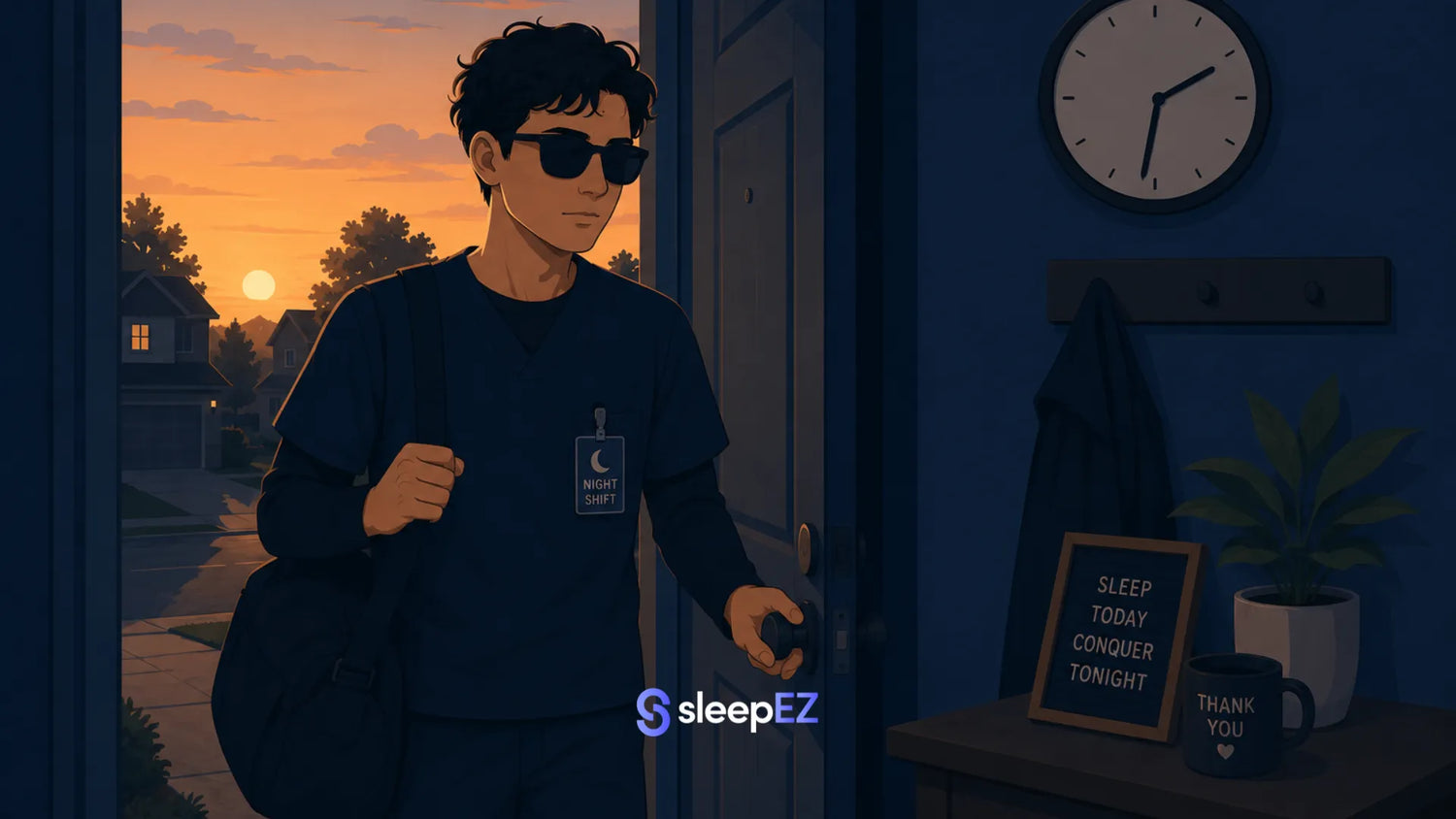
Working shifts makes it hard to get good sleep. When you work at night or switch between day and night shifts, your body's internal sleep clock gets disrupted.
This isn't just an inconvenience; it can significantly impact your health, safety, and overall well-being.
According to the Sleep Foundation, approximately 25-30% of shift workers experience serious sleep problems that negatively impact their health.
If you work odd hours in healthcare, emergency services, or factories, you understand the struggle. It's particularly challenging to sleep when others are awake.
Daytime noise can keep you awake, and your body often struggles to adjust to your schedule.
Fortunately, achieving consistent, quality sleep is possible. Here are six tools that can help you sleep better, no matter when your shift ends.
Quick Answer: What Helps Shift Workers Sleep Better?
The biggest challenges for shift workers are sleeping in daylight and managing noise during the day. The most effective sleep aids address these directly:
- Blackout sleep mask or curtains, blocks daylight completely
- White noise machine, masks household sounds during daytime sleep
- Silicone earplugs, reduces noise at the source
- Consistent sleep schedule, even on days off
- Light management, dark sunglasses on the way home from a night shift
Why Shift Workers Struggle to Sleep
Shift workers face challenges that day workers don't:
Circadian misalignment.
Your body clock is programmed to be awake during the day and asleep at night. Working nights means sleeping when your circadian rhythm is signalling wakefulness, making sleep harder to initiate and maintain.
Daylight exposure.
Morning sunlight on the way home from a night shift is one of the most powerful wake signals your body receives. Even 15 minutes of morning sun can delay sleep onset by hours.
Daytime noise.
Traffic, deliveries, neighbours, and household activity create a significantly noisier sleep environment than nighttime.
Social pressure.
Family, friends, and social obligations often conflict with daytime sleep schedules.
How to Sleep During the Day After a Night Shift
On your way home:
- Wear dark sunglasses to block morning sunlight
- Avoid stimulating conversations or stressful content
- Keep the commute as calm as possible
Preparing your bedroom:
- Make it completely dark, blackout curtains and a sleep mask
- Make it quiet, white noise machine and/or silicone earplugs
- Keep it cool, 15–19°C
- Put your phone on Do Not Disturb
Wind-down routine:
- Eat a light meal or snack (not a heavy meal)
- Avoid caffeine in the last 4 hours of your shift
- A brief meditation session or binaural beats can help transition your brain from work mode to sleep mode
Sleep timing:
- Sleep as soon as possible after your shift, don't stay awake until afternoon
- Aim for a consistent sleep window, even on your days off
The Best Sleep Aids for Shift Workers
1. Blackout Sleep Mask
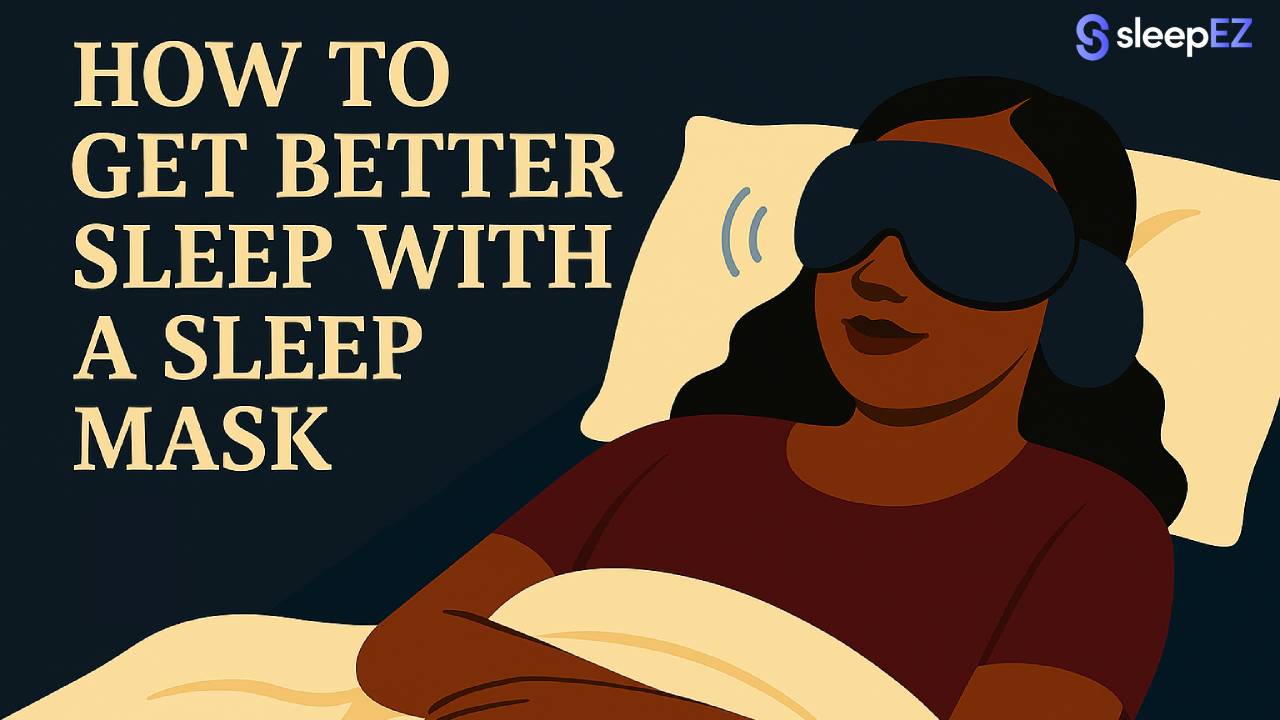
Daylight is the enemy of daytime sleep. A sleep mask blocks 100% of light regardless of your curtains or blinds.
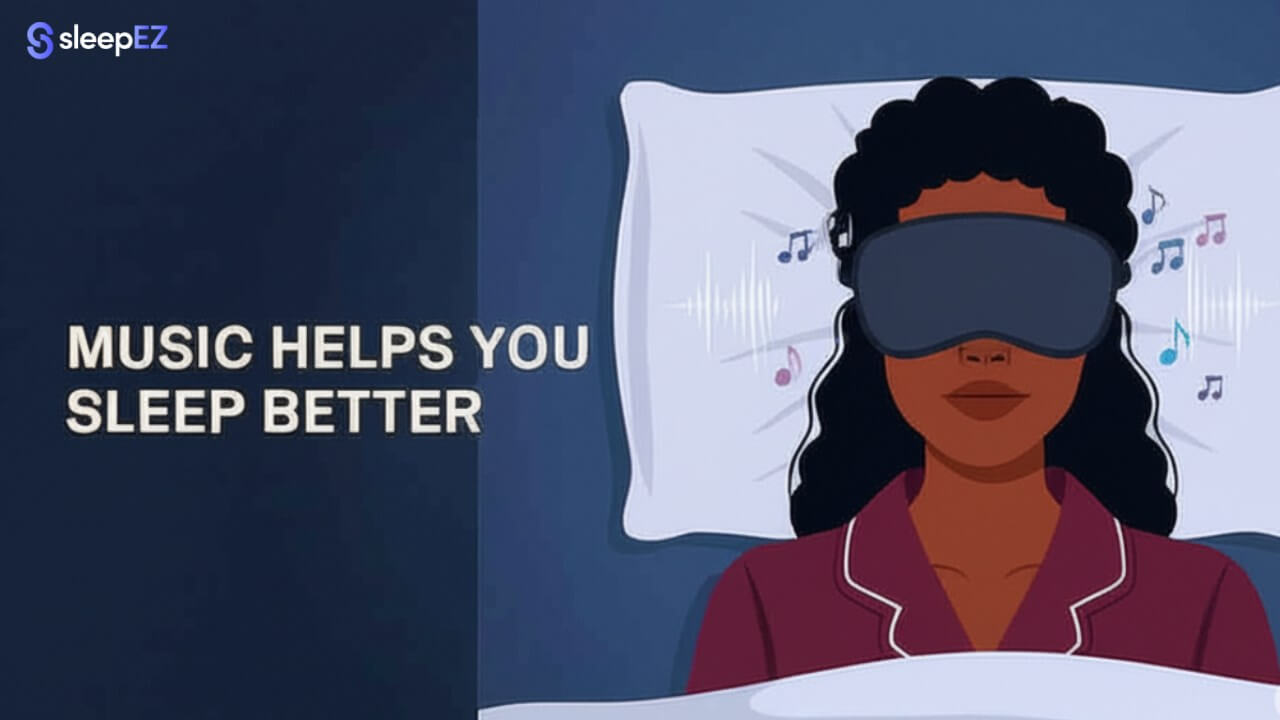
The Dreamy Sounds Bluetooth Sleep Mask combines complete light blocking with built-in speakers, so you can listen to sleep podcasts, meditation, or white noise while blocking all daylight.
2. White Noise Machine
Daytime noise, traffic, deliveries, household sounds, is significantly louder than nighttime noise. A white noise machine creates consistent background sound that masks sudden noises before they can wake you.
3. Silicone Earplugs
QuietBuds silicone earplugs reduce noise by 25–33 dB. Combined with a white noise machine, they create a very effective noise barrier for daytime sleep.
Their mouldable design is comfortable for side sleepers.
4. Bluetooth Sleep Mask
For shift workers who use audio to wind down, the Dreamy Sounds Sleep Mask delivers audio through ultra-thin speakers without earbuds pressing against your ear canal, making it comfortable for extended daytime sleep sessions.
5. Blackout Curtains
For the bedroom, heavy blackout curtains that seal around the edges are essential. Combined with a sleep mask for any remaining light leakage, you can create near-complete darkness even at midday.
6. Mouth Tape for Breathing
Some shift workers find that mouth tape improves their daytime sleep quality by encouraging nasal breathing, reducing dry mouth, potential snoring, and sleep fragmentation.
Bonus: Napping Tips for Shift Workers
Strategic napping can be your secret weapon during long shifts. A well-timed nap boosts alertness, reaction time, and decision-making, all critical for shift workers.
But not all naps are created equal. Follow these proven napping strategies:
- Keep it short: Aim for 20-30 minutes to avoid deep sleep grogginess.
- Create a nap kit: Keep your sleep mask, earplugs or Dreamy Sounds Sleep Mask in your locker or car for quick setup.
- Find your spot: Scout quiet locations at work, or use your car with a window shade. Some workplaces now offer nap pods or quiet rooms.
- Time it right: The best nap time is about 8-9 hours after waking up, or 1-2 hours before a night shift starts.
- Post-nap reset: Splash cold water on your face, stretch, or take a short walk after napping to clear brain fog
Studies show that a 20-minute nap can improve alertness for up to 3 hours, making you safer and more effective during critical work periods.
Read: Silicone vs Foam Earplugs for Sleeping
What Is Shift Work Sleep Disorder?
Shift Work Sleep Disorder (SWSD) is a circadian rhythm disorder that occurs when your work schedule conflicts with your natural sleep-wake cycle.
Symptoms:
- Excessive sleepiness during work hours
- Difficulty falling asleep during your designated sleep time
- Unrefreshing sleep despite adequate hours
- Difficulty concentrating
- Mood disturbances
- Increased illness (immune function is affected by chronic sleep disruption)
Who is at risk:
- Night shift workers
- Rotating shift workers
- Early morning shift workers (before 6:00 AM)
- Workers with frequently changing schedules
When to seek help: If sleep difficulties are significantly affecting your work performance, safety, or quality of life, speak with your doctor. SWSD is a recognised medical condition with treatment options including light therapy, melatonin, and in some cases medication.
Frequently Asked Questions
Why can't I sleep after a night shift?
Your circadian rhythm is signalling wakefulness during the day. Morning sunlight on the way home, daytime noise, and the difficulty of sleeping against your body clock all contribute.
Blocking light and noise, and sleeping immediately after your shift, helps significantly.
How many hours should shift workers sleep?
The same as anyone else, 7–9 hours. The timing is different, but the amount isn't.
Chronic sleep deprivation has serious long-term health consequences regardless of when you sleep.
Is melatonin good for shift workers?
Some shift workers find low-dose melatonin (0.5–3 mg) helpful for initiating sleep at unusual times. Timing matters significantly, consult your doctor before using melatonin regularly.
Should shift workers nap?
Strategic napping can help. A 20–30 minute nap before a night shift can improve alertness during the shift.
Avoid long naps that produce sleep inertia.
How do nurses sleep after night shifts?
Most experienced night shift nurses sleep immediately after their shift with blackout curtains, earplugs or white noise, and strict Do Not Disturb protocols. Consistency, even on days off, is the most important factor.
What is the best sleep aid for shift workers?
A combination of complete darkness (sleep mask or blackout curtains) and noise management (white noise machine and/or earplugs) addresses the two biggest challenges of daytime sleep.
Build Your Sleep Kit
Better sleep is possible even with tough shift work. The key is finding the right mix of tools for your needs.
Start by fixing your biggest sleep problems:
- Too much light? Get blackout tools.
- Too much noise? Focus on sound blockers.
- Weird schedule? Use apps and stick to routines.
Remember that good sleep isn't just about comfort, it's about your health and safety.
Looking for sleep tools made for shift workers? Check out our Bluetooth sleep mask and white noise machines for better sleep, any time of day.

Leave a comment
This site is protected by hCaptcha and the hCaptcha Privacy Policy and Terms of Service apply.