
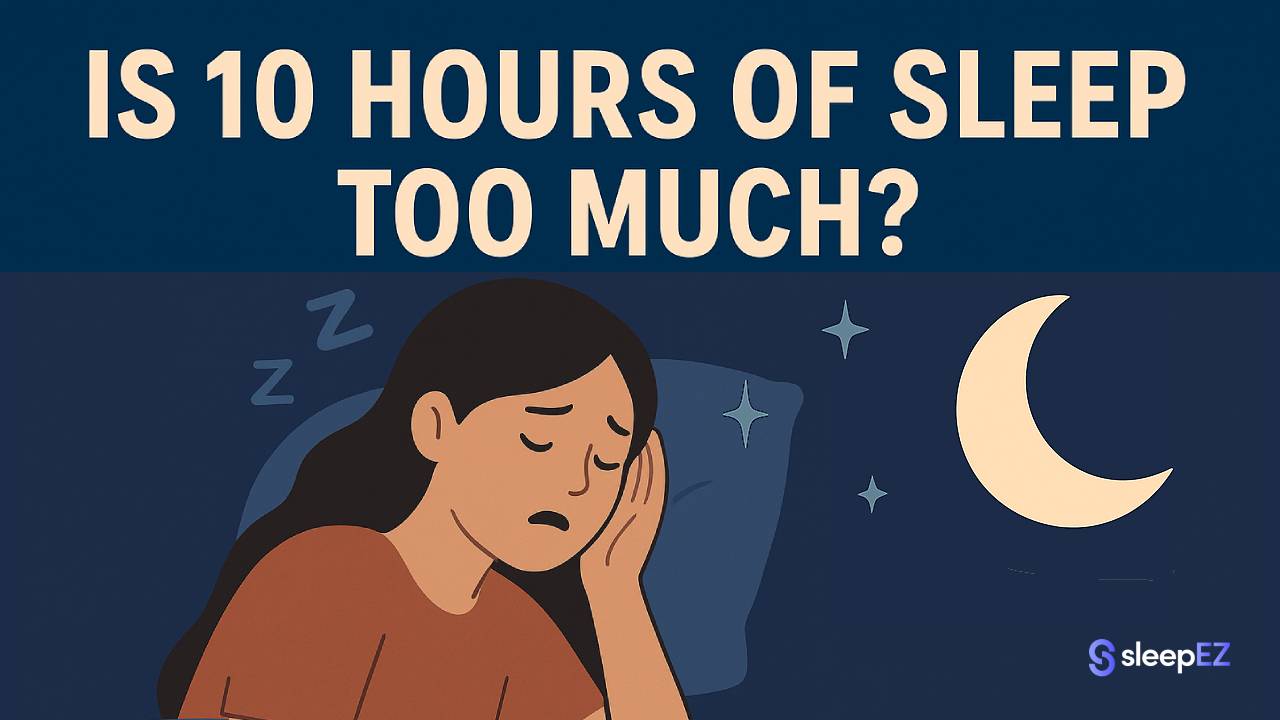
Yes, for most adults, 10 hours of sleep is too much. While an occasional 10-hour sleep after being sick or catching up on rest is perfectly normal, consistently sleeping this long is outside the recommended range and often means your body is trying to tell you something needs attention.
The CDC recommends that adults get 7 to 9 hours of sleep per night for optimal health. Regularly sleeping more than 9 hours is known clinically as oversleeping or hypersomnia.
This guide will help you understand the difference between being a natural long sleeper and oversleeping. We'll explore potential causes and outline the safest next steps.
Is 10 Hours of Sleep Too Much?
For most adults, 10 hours of sleep is more than the usual recommended range. It may be normal after illness, travel, stress, or sleep debt. But if you regularly sleep 10 hours and still wake up tired, your sleep quality may be poor.
The key question is not only how long you sleep. It is whether you wake up feeling refreshed.
The Key Question: Do You Wake Up Feeling Refreshed?
More sleep isn't always better. Oversleeping often means your rest isn't actually restorative.
There's an important difference between two types of long sleepers:
Natural Long Sleepers: A small percentage of people are genetically wired to need 9-10 hours of sleep. The American Academy of Sleep Medicine notes that sleeping more than 9 hours may be appropriate for some individuals. The key sign? They wake up feeling refreshed and energized.
Oversleeping (Hypersomnia): You need 10+ hours of sleep but still feel tired during the day. You wake up groggy and unrested. This suggests poor sleep quality or an underlying health issue.
Signs You're Oversleeping
Beyond sleeping more than 9 hours a night, other symptoms of oversleeping include:
- Excessive napping during the day
- Excessive daytime sleepiness
- Headaches upon waking
- Brain fog, poor memory, and sleep drunkenness (feeling confused or disoriented when you wake up)
- Anxiety, irritation, and restlessness
- Reduced appetite
- Low energy levels
- Slow thinking or speech
If you regularly experience these symptoms along with long sleep, it's time to investigate the cause.
Why You May Sleep 10 Hours and Still Feel Tired
Sleeping longer does not always mean you are getting better sleep. You may spend 10 hours in bed but still wake up tired if your sleep quality is poor or repeatedly interrupted during the night.
Several common factors can reduce sleep quality even when you sleep for long hours.
Noise Disruptions
Traffic, snoring, neighbours, or sudden sounds can interrupt sleep cycles and reduce deep sleep. Even brief disruptions can leave you feeling unrefreshed in the morning.
Light Exposure
Light signals your brain to stay alert. Streetlights, device screens, or early morning sunlight may interrupt sleep and reduce melatonin production during the night.
Mouth Breathing
Mouth breathing and breathing disruptions can affect sleep quality and increase nighttime waking. Poor airflow may also contribute to dry mouth, snoring, and fragmented sleep.
Stress
Stress and anxiety can keep your nervous system more alert during sleep. You may sleep longer but still feel mentally and physically tired the next day.
Inconsistent Sleep Schedule
Irregular sleep and wake times can disrupt your circadian rhythm. This may affect how restorative your sleep feels, even if you spend enough hours in bed.
What Causes Oversleeping?
This information is for educational purposes only. Only a doctor can determine the true cause of your oversleeping. Here are common conditions associated with hypersomnia and sleep disorders:
Sleep Disorders
Obstructive Sleep Apnea: This condition breaks up your sleep throughout the night. You stop breathing temporarily, causing you to snore and choke. Your body tries to compensate by staying in bed longer to get minimal rest.
Narcolepsy: This neurological disorder causes overwhelming daytime sleepiness and sudden sleep attacks. In some types of narcolepsy, you may sleep for more than 10 hours each night but still feel tired.
Idiopathic Hypersomnia: When doctors can't identify an underlying cause for your oversleeping, they may diagnose this condition. You may sleep 14 to 18 hours a day but never feel rested.
Restless Legs Syndrome (RLS): Uncomfortable sensations in your legs disrupt sleep quality all night long.
Mental Health Conditions
Depression: Hypersomnia is a classic symptom of atypical depression. People with depression often have imbalanced brain chemicals that affect energy levels, leading to fatigue. Some depression medications can also trigger tiredness.
Anxiety: Chronic stress and worry can lead to poor-quality sleep. You might spend more time in bed trying to feel rested, especially in older adults.
Medications and Substances
Certain drugs are notorious for causing drowsiness:
- Tranquilizers and sleeping pills
- Antihistamines
- Certain painkillers
- Some psychiatric medications
- Alcohol and cannabis
If you suspect your medicine is making you sleep too much, don't stop taking it. Talk to your doctor about adjusting your dosage or finding alternatives.
Nutrient Deficiencies
Several nutrient deficiencies can cause excessive sleep:
Iron Deficiency: Can contribute to anemia, leading to fatigue and sleepiness.
Vitamin B12 Deficiency: Though rare, this can cause excessive daytime sleepiness and anemia.
Vitamin D Deficiency: Critical for regulating sleep. Low levels may contribute to excessive daytime sleepiness and sleep disorders.
Selenium Deficiency: Essential for healthy thyroid function, which regulates sleep.
Other Medical Conditions
Hypothyroidism (Underactive Thyroid): A common cause of fatigue and increased sleep needs. Your metabolism slows down, making you feel tired constantly.
Heart Conditions, Diabetes, or Anemia: Oversleeping can be a symptom of these and other chronic illnesses that affect your energy levels.
Chronic Pain or Inflammation: Your body may demand more rest to cope with ongoing pain or inflammatory conditions.
How Does Oversleeping Impact Your Body?
Oversleeping affects your overall health and can have serious negative effects, just like too little sleep. Research shows that consistently sleeping more than 9 hours is linked to several health problems:
Obesity
Longer sleep hours are linked to greater risk of obesity. Sleep and metabolism are connected. Any sleep disruption throws off your hunger hormones. If you frequently feel hungry, you're more likely to eat and gain weight.
Poor sleep quality also disrupts how your body releases insulin and processes glucose, affecting your metabolism.
Heart Disease
Oversleeping raises your risk of heart problems, stiff arteries, stroke, and death from heart disease. Too much sleep may increase chronic inflammation, a known risk factor for cardiovascular disease.
Diabetes
Research shows higher odds for type 2 diabetes in long sleepers. People who sleep up to 12 hours have a heightened risk compared to those who get 8 hours nightly. The connection likely involves disrupted circadian rhythms affecting metabolic processes and hormonal balance.
Stroke
People who oversleep have a greater chance of stroke. Sleeping more than 9 hours increases your risk for all types of stroke. The odds get worse if you also nap 90 minutes during the day.
Headaches
For some people, sleeping too much triggers headaches, especially tension-type headaches. Oversleeping disrupts your circadian rhythm and impacts serotonin levels, affecting pain perception.
Back Pain
Lying in bed for extended periods causes back pain, especially if you have existing back problems, arthritis, or sciatica. Your body becomes stiff and achy from inactivity and poor blood flow.
Increased Mortality Risk
Some research suggests sleeping 10 hours or more nearly doubles your risk of death compared to getting 7-8 hours. This is likely because oversleeping is linked to serious health conditions like obesity, diabetes, and cardiovascular disease.
How Do You Stop Oversleeping?
You can implement healthy sleep habits to improve your sleep patterns:
Set a Regular Sleep Schedule: Go to bed and wake up at the same time every day. This helps avoid sleep debt and regulates your body clock.
Create a Bedtime Routine: Develop relaxing pre-sleep activities. Avoid screens in the hours before bedtime, as blue light can delay sleep onset.
Optimize Your Sleep Environment: Keep your bedroom between 65-68 degrees Fahrenheit, completely dark, and quiet. If outside noise disrupts your sleep quality, consider using a sound machine with white noise or nature sounds to mask disruptive sounds. A consistent, peaceful environment helps your body achieve deeper, more restorative sleep.
Stay Active During the Day: Daily exercise and sunlight exposure help you sleep better at night. Avoid intense exercise close to bedtime.
Nap Smart: If you must nap, do it early in the afternoon. Late naps make it harder to fall asleep at night.
Cut Caffeine and Alcohol: Avoid these substances in the afternoon and evening as they disrupt sleep quality.
Improve Your Sleep Environment
If you sleep for long hours but still wake up tired, your sleep environment may be affecting your rest. Reducing noise, blocking light, and supporting better breathing can help improve sleep quality.
Simple tools such as sleep masks, white noise machines, earplugs, mouth tape, and nasal strips can help create a more stable sleep environment.
When Should You See a Doctor?
You should talk to your doctor if you:
- Consistently sleep 10+ hours and still feel tired
- Experience excessive daytime sleepiness that interferes with daily life
- Have brain fog, memory problems, or feel confused when waking
- Show other symptoms of oversleeping listed above
Keep a sleep diary for a week before your appointment. Record when you go to bed, wake up, and any daytime naps. Also note how you feel during the day. This information helps your doctor identify the cause and create a treatment plan.
How Doctors Diagnose Oversleeping
Your healthcare provider will:
Perform a Physical Exam: To identify underlying medical issues that might cause excessive sleep.
Take a Medical History: Review medications that may cause sleepiness and discuss your symptoms.
Recommend a Psychiatric Evaluation: To rule out depression and anxiety, which are linked to long sleep.
Order a Sleep Study: Tests like polysomnography measure brain waves and other functions during sleep to diagnose sleep disorders like sleep apnea, narcolepsy, and hypersomnia.
Treatment Options
Treatment depends on the underlying cause:
Sleep Hygiene: The first line of treatment involves creating healthy sleep habits with regular schedules, bedtime routines, and optimal sleep environments.
Medical Treatment: If oversleeping relates to an underlying condition, treating that issue is crucial. For example, CPAP machines for sleep apnea, light therapy for circadian rhythm disorders, or medication adjustments.
Medications: In some cases, doctors may prescribe medications to help relieve oversleeping symptoms.
Frequently Asked Questions
Is it okay to sleep 12 hours occasionally?
Yes, occasionally sleeping 12 hours is fine. You might need extra sleep when recovering from illness, after travel, or following periods of sleep deprivation. However, regularly sleeping 12 hours could indicate an underlying health issue.
What blood tests can identify causes of oversleeping?
Your doctor can test for nutrient deficiencies that cause excessive sleep, including iron, vitamin B12, vitamin D, and selenium levels. They may also check thyroid function and other blood markers related to your symptoms.
Can oversleeping be genetic?
Some people are naturally long sleepers and genetically need 9-10 hours of sleep. The key difference is that natural long sleepers wake up feeling refreshed and energized, while people with sleep disorders remain tired despite long sleep.
Is sleeping 10 hours unhealthy?
Sleeping 10 hours occasionally is usually normal, especially after illness, travel, stress, or sleep deprivation. However, regularly sleeping 10 hours and still feeling tired may suggest poor sleep quality or an underlying health issue.
Why do I sleep 10 hours and still feel tired?
You may still feel tired after long sleep if your sleep is interrupted or not restorative. Noise, light exposure, stress, breathing issues, or inconsistent sleep schedules can reduce sleep quality even if you spend many hours in bed.
Can poor sleep quality make me sleep longer?
Yes. Fragmented or low-quality sleep can make your body feel like it needs more rest. You may stay in bed longer because your sleep cycles are repeatedly disrupted during the night.
Is 10 hours of sleep too much for adults?
For most adults, the recommended sleep range is around 7–9 hours per night. Some people naturally need more sleep, but regularly sleeping 10 hours may be worth investigating if you still wake up tired.
Can stress make you sleep too much?
Yes. Stress, anxiety, and mental exhaustion can affect sleep quality and energy levels. Some people experience fatigue and longer sleep duration during periods of high stress.
Conclusion
While a 10-hour sleep might feel like a luxury, your body is likely sending you a signal if it's regular and you still feel tired. Oversleeping is often a symptom, not the root problem.
Don't try to diagnose yourself. The best first step for your health and peace of mind is to speak with a healthcare professional. They can help you find out what's really going on and create a treatment plan that works for your specific situation.

Leave a comment
This site is protected by hCaptcha and the hCaptcha Privacy Policy and Terms of Service apply.